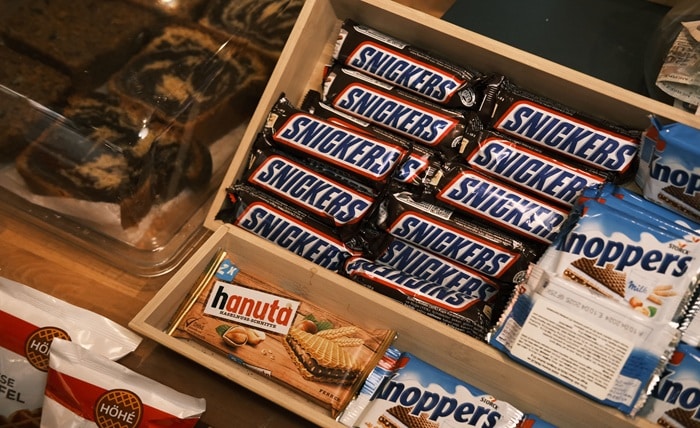
French food is often associated with artisan cheese, fresh baguettes, fine wine and elaborate restaurant meals. Everyday supermarket shopping in France, however, reveals a much broader food culture. Shelves are filled with familiar pantry staples, packaged cakes, dairy desserts, condiments, canned foods and regional products that form part of ordinary household life.
For people discovering French groceries for the first time, the variety can feel overwhelming. Product names may be unfamiliar, and categories that occupy only a small space in another country can fill an entire supermarket aisle in France.
Understanding the main types of products makes it easier to explore French food without relying only on famous luxury items. It also shows how everyday eating habits differ between regions and households.
What Makes French Supermarket Products Distinctive?
French supermarkets stock many of the same basic product categories found throughout Europe, but the selection reflects local tastes and eating traditions. There is often a strong emphasis on regional origin, established recipes and the way a product is intended to be served.
Labels may mention a specific town, region or protected origin. These references help consumers understand where a product comes from and, in some cases, how it was made. They do not necessarily mean that every product is handmade or expensive. Regional identity can be important even for ordinary supermarket food.
Meal structure also influences the range. Breakfast is often relatively simple, while lunch and dinner may include several distinct elements. Snacks, desserts and products intended for sharing therefore receive considerable shelf space.
Another noticeable feature is the depth within familiar categories. A shopper may find numerous types of mustard, butter biscuits, yogurt or chocolate dessert, each with different textures and flavours.
French Breakfast Products
Toast-like products are common. Some are thin and crisp, while others resemble small dried slices of bread. They are typically served with butter, jam, honey or chocolate spread.
Bread, Brioche and Packaged Pastries
Fresh bread remains central to French eating habits, but supermarkets also sell many packaged breakfast products. Sliced brioche, small cakes and individually wrapped pastries offer a convenient option when visiting a bakery is not practical.
Brioche is richer and softer than ordinary bread because the dough usually contains butter, eggs or milk. It may be sold plain, sliced, topped with sugar or filled with chocolate.
Packaged croissants and pains au chocolat do not have exactly the same texture as fresh bakery versions, but they last longer and require no preparation. Families may keep them for busy mornings, travel or children’s snacks.
Toast-like products are also common. Some are thin and crisp, while others resemble small dried slices of bread. They are typically served with butter, jam, honey or chocolate spread.
Jams, Spreads and Honey
Jam is a familiar part of the French breakfast table. Strawberry, apricot, raspberry and cherry are widely available, but shoppers may also encounter fig, mirabelle plum, peach, blackcurrant or mixed-fruit varieties.
Texture varies considerably. Some preserves contain visible fruit pieces, while others are smooth and easy to spread. Labels can indicate the fruit content and whether the recipe contains reduced sugar.
Chestnut spread is another distinctive product. Made from sweetened chestnuts, it has a dense, smooth texture and can be spread on bread, added to yogurt or used in desserts.
Chocolate and hazelnut spreads are popular with both children and adults. Although often served at breakfast, they are also used in crêpes, cakes and snacks.
Honey selections may include products associated with particular flowers or regions. Their flavour can range from light and floral to dark and intense.
Coffee, Tea and Hot Chocolate
Coffee is the most characteristic French breakfast drink for adults. Supermarkets sell ground coffee, whole beans, instant coffee, capsules and pods for different preparation methods.
A breakfast coffee at home is often larger and milder than a small espresso served after a meal. Some people drink it black, while others add warm milk.
Tea has become increasingly varied, with black tea, green tea, herbal infusions and flavoured blends available in most supermarkets. Hot chocolate remains particularly popular with children, although many adults enjoy it as well.
Chocolate drink powders differ in sweetness and cocoa intensity. Some dissolve easily in cold milk, while others are better suited to a traditional hot drink.
Biscuits and Sweet Snacks
The French biscuit aisle contains products intended for breakfast, afternoon snacks, desserts and informal entertaining. Butter biscuits are among the best-known varieties. They may be thin and crisp or thicker with a crumbly texture.
Madeleines are small sponge cakes traditionally recognised by their shell-like shape. Supermarket versions may be plain, chocolate-coated or filled with fruit or chocolate. Their soft texture distinguishes them from crisp biscuits, even though they are often sold in the same section.
Wafers are another common choice. Thin crisp layers may be combined with chocolate, vanilla, hazelnut or fruit-flavoured fillings. Individually wrapped formats are convenient for lunchboxes and travel.
Regional traditions contribute further variety. Brittany is associated with rich butter biscuits, while other areas have their own recipes based on almonds, spices or local ingredients.
French shoppers may serve simple biscuits with coffee or tea, offer them to visitors or use them as a quick goûter, the afternoon snack commonly eaten by children.
Chocolate and Confectionery
French supermarkets carry an extensive range of chocolate bars, boxed assortments and seasonal confectionery. Dark chocolate has a particularly visible presence, with cocoa percentages and origins clearly displayed on many packages.
Milk chocolate remains popular, especially in filled bars and products aimed at families. Fillings may include hazelnuts, almonds, praline, caramel, biscuit pieces or fruit.
Baking chocolate is usually presented as a separate category. It is designed to melt consistently and may be labelled according to its suitability for desserts. French home baking frequently uses chocolate in cakes, mousses, tarts and sauces.
Seasonal shelves change throughout the year. Chocolate eggs and animals appear around Easter, while boxes and decorative products become prominent before Christmas.
Confectionery also includes fruit sweets, caramels, marshmallows and regional specialities. Some are everyday treats, while others are associated with gifts or particular celebrations.
Pantry Essentials Used in French Cooking
Mustard is used at the table, but it is also an important cooking ingredient. It can be added to vinaigrettes, sauces, marinades and baked dishes. Wholegrain mustard provides a gentler flavour and visible texture, while smooth Dijon mustard is often sharper.
Mustard and Condiments
Dijon mustard is one of the most recognisable French condiments, but it represents only part of the category. Supermarkets may offer smooth, wholegrain, mild and strongly flavoured versions.
Mayonnaise is widely used with cold dishes, seafood, eggs and sandwiches. Other sauces may be based on herbs, pepper, garlic or tomatoes.
Cornichons, which are small pickled cucumbers, frequently accompany pâté, cold meats and rich dishes. Their acidity provides contrast and helps balance strong flavours.
Beans, Lentils and Preserved Vegetables
Lentils and beans are common pantry ingredients. Green lentils may be served warm with meat or prepared as a salad with vinaigrette. White beans are important in regional dishes such as cassoulet.
Supermarkets sell dried, canned and prepared varieties. Canned products are faster to use, while dried pulses allow the cook greater control over texture and seasoning.
Preserved vegetables include peas, green beans, tomatoes, artichokes and mixed vegetable preparations. Jarred vegetables may be marinated in oil or seasoned for immediate serving.
Prepared chestnuts are another useful ingredient. They can accompany savoury dishes or be transformed into soups, purées and desserts.
Stocks, Herbs and Seasoning
French home cooking often begins with simple aromatics and carefully chosen seasoning. Dried thyme, bay leaves, parsley and mixed herbs are common cupboard items.
Stock cubes and concentrated preparations are used in soups, sauces, rice dishes and stews. Shoppers can find vegetable, chicken, beef and fish varieties, including reduced-salt options.
Sea salt from particular coastal areas may be sold in coarse or fine form. Fleur de sel, collected from the surface of salt ponds, is generally used as a finishing salt rather than during long cooking.
Tinned Fish, Pâté and Rillettes
Tinned fish can be much more than a basic emergency food in France. Sardines, mackerel and tuna are available in olive oil, tomato sauce, mustard and other seasoned preparations.
Some tins are designed to be served directly with bread or salad. Others provide an easy base for sandwiches, pasta and savoury tarts.
Pâté and rillettes appear in jars, tins and refrigerated packaging. Pâté is generally smoother, while rillettes have a shredded texture. Both are typically spread on bread and may be accompanied by cornichons or a simple salad.
Consumers should check storage instructions carefully because some products are shelf-stable and others require refrigeration.
French Dairy Products and Desserts
The chilled dairy section of a French supermarket is often larger than visitors expect. Natural and flavoured yogurts are made from cow’s, goat’s or sheep’s milk, with different levels of fat and sweetness.
Yogurt and Fromage Blanc
Fromage blanc has a soft, smooth texture somewhere between yogurt and fresh cheese. It may be eaten plain, sweetened with sugar or honey, or combined with fruit.
Small individual pots are common because dairy products are frequently served as part of a meal or as a simple dessert. Multipacks may contain one flavour or a selection.
Plant-based alternatives made from soy, coconut, almonds or oats are increasingly available, although their range varies by retailer.
Chilled Desserts
Ready-made chilled desserts form a distinctive category. Chocolate mousse, crème caramel, rice pudding, custard and layered fruit desserts are widely sold in individual portions.
These products offer convenience but also reflect the French habit of finishing a meal with a defined dessert. The dessert does not need to be elaborate. A yogurt, piece of fruit or small pot of custard may be enough.
Texture is often as important as flavour. Shoppers can choose between airy mousse, smooth cream, dense rice pudding and desserts with caramel or fruit layers.
Cheese for Everyday Meals
French cheese does not belong only on a formal cheese board. Many varieties are used in sandwiches, salads, sauces, gratins and family meals.
Supermarkets sell cheese in whole pieces, sliced packages, portions and grated formats. Soft cheeses, hard mountain cheeses, goat’s cheeses and blue varieties may all be available at different price levels.
Labels can indicate milk type, region, ageing and protected status. Stronger flavour does not necessarily mean better quality. The best choice depends on how the cheese will be served and the preferences of the people eating it.
Popular Types of French Grocery Brands
French consumers encounter a mixture of national manufacturers, supermarket labels and small regional producers. Large brands usually offer consistent products that are widely distributed. Their packaging is often easy to recognise, and the same product may be available in several sizes or flavours.
Supermarket own-label ranges cover everyday essentials as well as premium, organic and regional products. They can provide good value, but quality and recipes vary between ranges.
Regional brands may have strong recognition in one area while remaining unfamiliar elsewhere. Their identity is often connected to a local ingredient, recipe or production tradition.
When evaluating a new product, it is more useful to read the ingredients and preparation information than to rely only on whether the brand is famous.
Where to Find French Groceries Outside France
People living outside France can find French groceries through large supermarkets, independent food shops and specialist online retailers. Mainstream supermarkets usually stock familiar items such as mustard, cheese, preserves and biscuits, but their selection may be limited.
Independent shops can offer more regional products and may provide advice about how to use unfamiliar ingredients. Their ranges often reflect the preferences of the local community and the availability of imports.
Online searches such as Carrefour online demonstrate how consumers frequently begin with a familiar French supermarket name when looking for products abroad. However, the retailer’s presence, product availability and delivery coverage can differ by country. Shoppers should confirm whether they are using an official local service or an independent retailer selling imported goods.
Before ordering, it is important to check delivery conditions. Chocolate, cheese and chilled desserts may require temperature-controlled transport, while glass jars and delicate biscuits need suitable packaging.
How to Read French Food Labels
A basic understanding of French label terms can make shopping easier. “Ingrédients” introduces the ingredient list, while “à conserver” provides storage guidance. “À consommer jusqu’au” normally refers to a use-by date for perishable food, whereas “à consommer de préférence avant” indicates a best-before date.
Allergens are usually emphasised in the ingredient list. Common terms include lait for milk, œufs for eggs, blé for wheat, arachides for peanuts and fruits à coque for tree nuts.
The phrase “sans sucres ajoutés” means that no sugars were added during production, but the product may still contain naturally occurring sugar. “Bio” identifies organic products that meet the relevant certification requirements.
Serving suggestions shown on packaging are not always the same as preparation instructions. Consumers should check whether a product is ready to eat, needs heating or must be diluted.
Choosing French Products for a First Tasting
Someone new to French supermarket food does not need to create a large or complicated order. A small selection from several categories provides a more useful introduction.
A tasting might include a fruit preserve, butter biscuit, mustard, tinned fish, chocolate bar and chilled dessert. This creates a balance of sweet and savoury flavours without requiring advanced cooking.
It is sensible to begin with products that have a clear purpose. A mustard can be used in salad dressing, a preserve can be served at breakfast and a biscuit can accompany coffee. Highly specialised ingredients may be harder to appreciate without knowing how they are traditionally prepared.
Trying products from different regions can also reveal how varied French food culture is. Brittany, Provence, Alsace and the southwest of France have distinct ingredients and culinary traditions.
Common Misconceptions About French Supermarket Food
One misconception is that all French food is expensive or intended for special occasions. In reality, supermarkets contain many simple products designed for quick family meals and everyday use.
Another is that every product carrying a French name follows a traditional artisanal method. Large-scale production is common, and recipes may be adapted for convenience, shelf life or international markets.
It is also inaccurate to assume that French consumers eat only French products. Supermarkets stock pasta, rice, international sauces, global confectionery and many other imported or internationally inspired foods.
Finally, familiar categories may be used differently. Mustard is not only a table condiment, yogurt can serve as dessert and packaged cakes may form part of a standard afternoon snack.
Conclusion
French supermarket products provide an accessible view of everyday food culture. Breakfast goods, biscuits, preserves, dairy desserts, condiments and pantry ingredients show how French households combine convenience with established eating traditions.
The best way to explore the category is to look beyond famous luxury foods. Reading labels, understanding how products are served and comparing different regions can make the experience more interesting and practical.
Whether purchased in France or through a specialist retailer elsewhere, these products are most enjoyable when treated as part of ordinary meals rather than as curiosities. A carefully chosen selection can introduce new flavours while remaining easy to use at home.